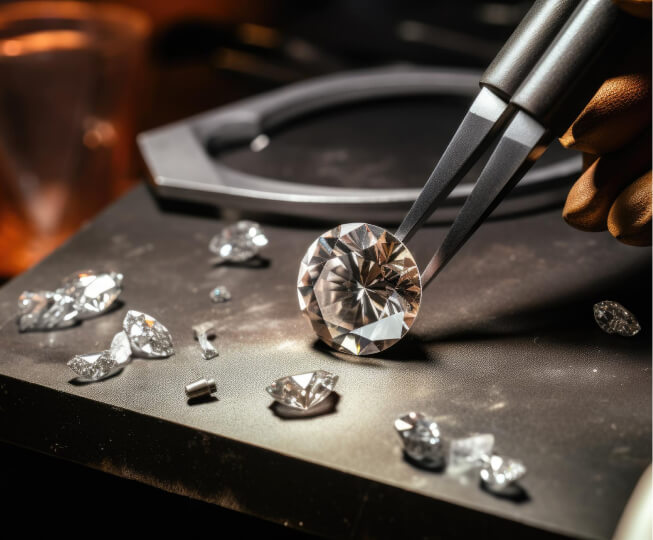
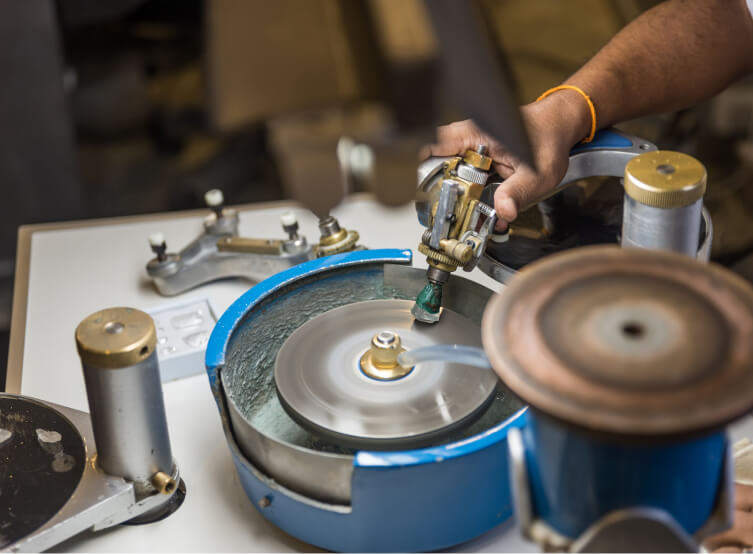
Through science, precision and innovation, we advance the understanding of gemstones, from their natural formation to the way they are cut, graded and appreciated today.
At Ann Gems Gemstone Research Institute, we combine established gemological technique with rigorous method to uncover deeper insight into gemstone structure, clarity and origin. Our commitment to ethical standards means every result is accurate, transparent and relevant.
Gemstone Species Profiled
Core Research Areas
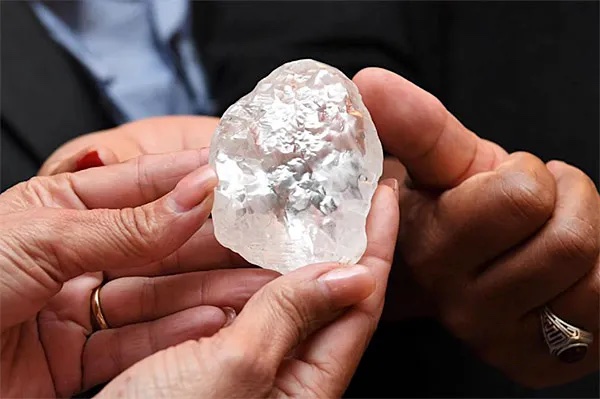
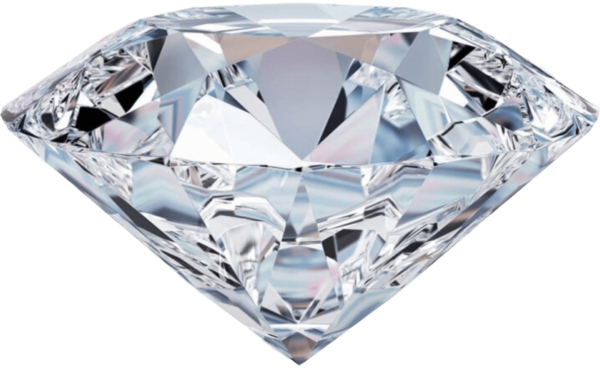
Pure crystallised carbon formed deep in the mantle, studied for growth structure, clarity and light performance.
View Details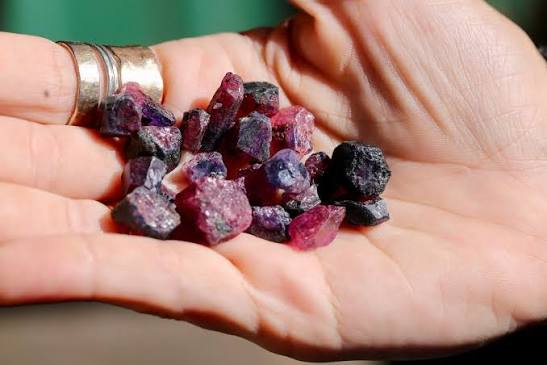
Chromium-bearing corundum prized for saturated red colour and natural red fluorescence.
View Details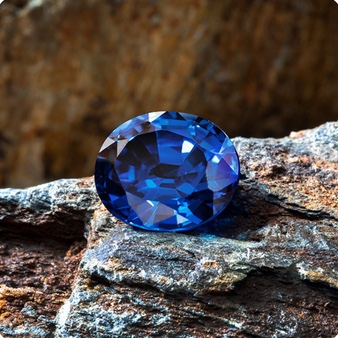
Corundum in every colour but red, best known for blues caused by iron and titanium.
View Details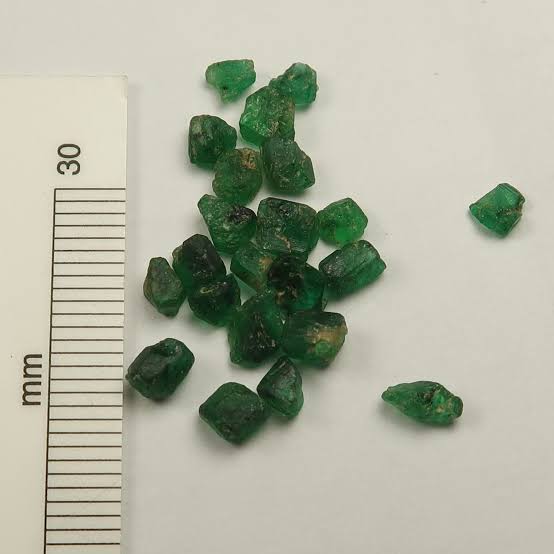
Green beryl coloured by chromium and vanadium, with inclusion "gardens" that record its origin.
View Details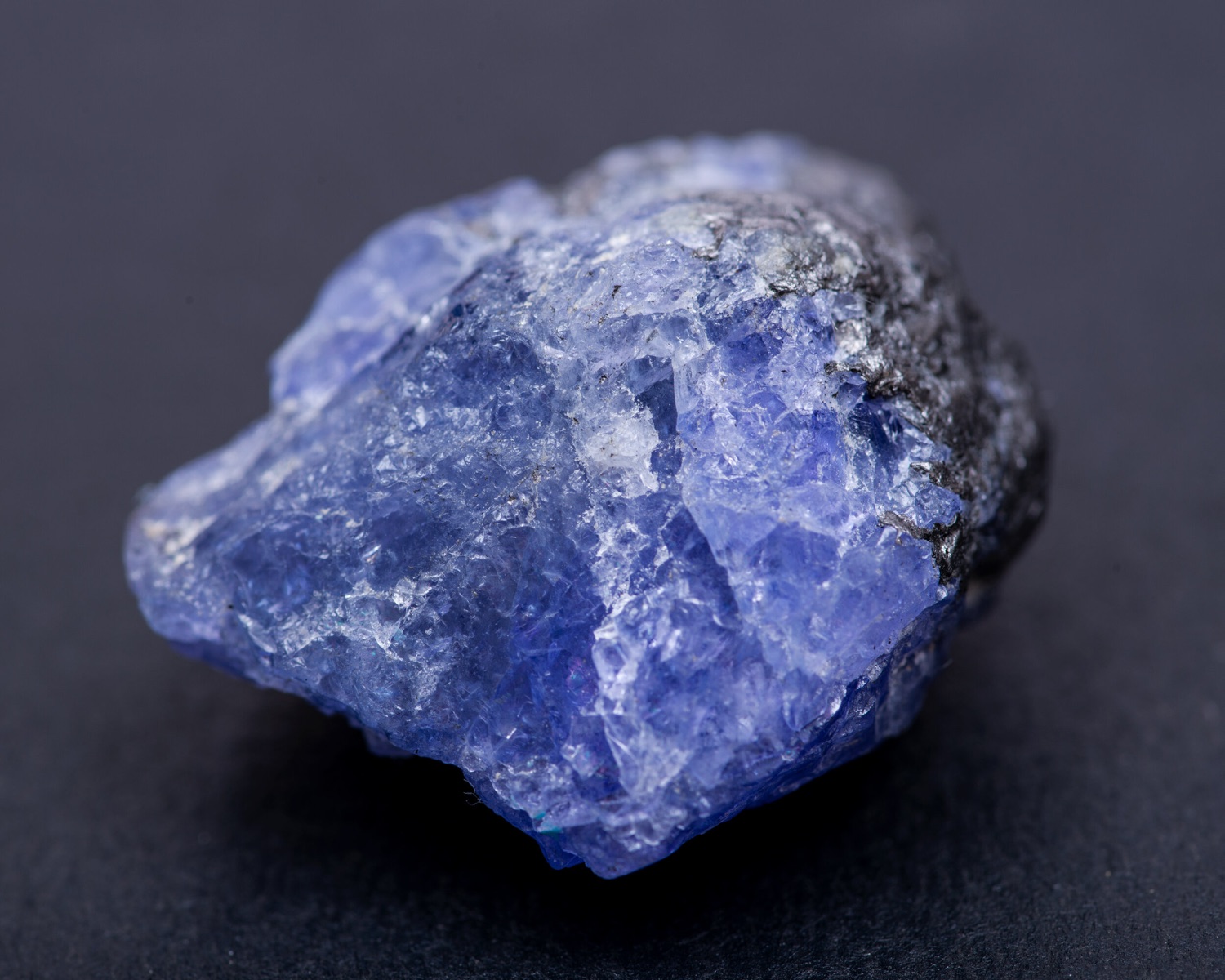
Violet-blue zoisite from a single mining district, notable for strong pleochroism.
View Details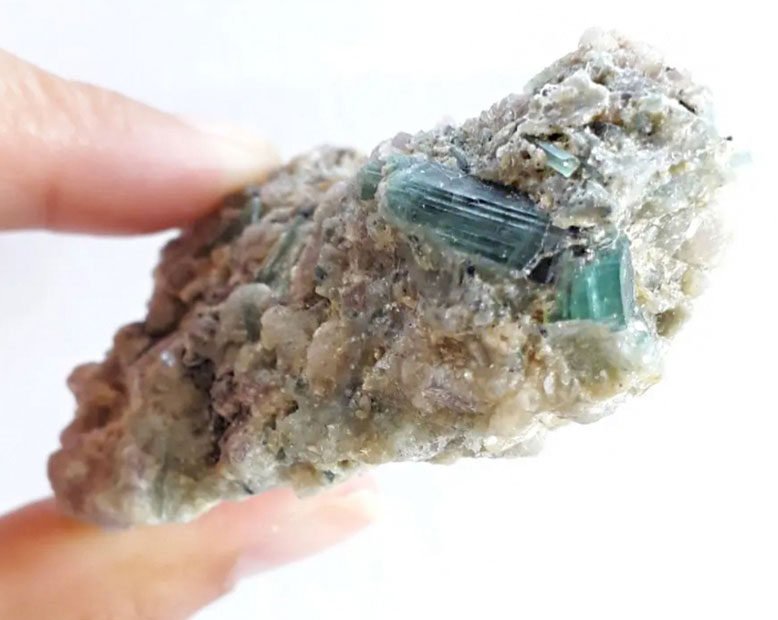
Copper-bearing elbaite with vivid neon blue to green colour, studied for origin and chemistry.
View DetailsWe begin by understanding the stone, its background and the questions you would like answered.
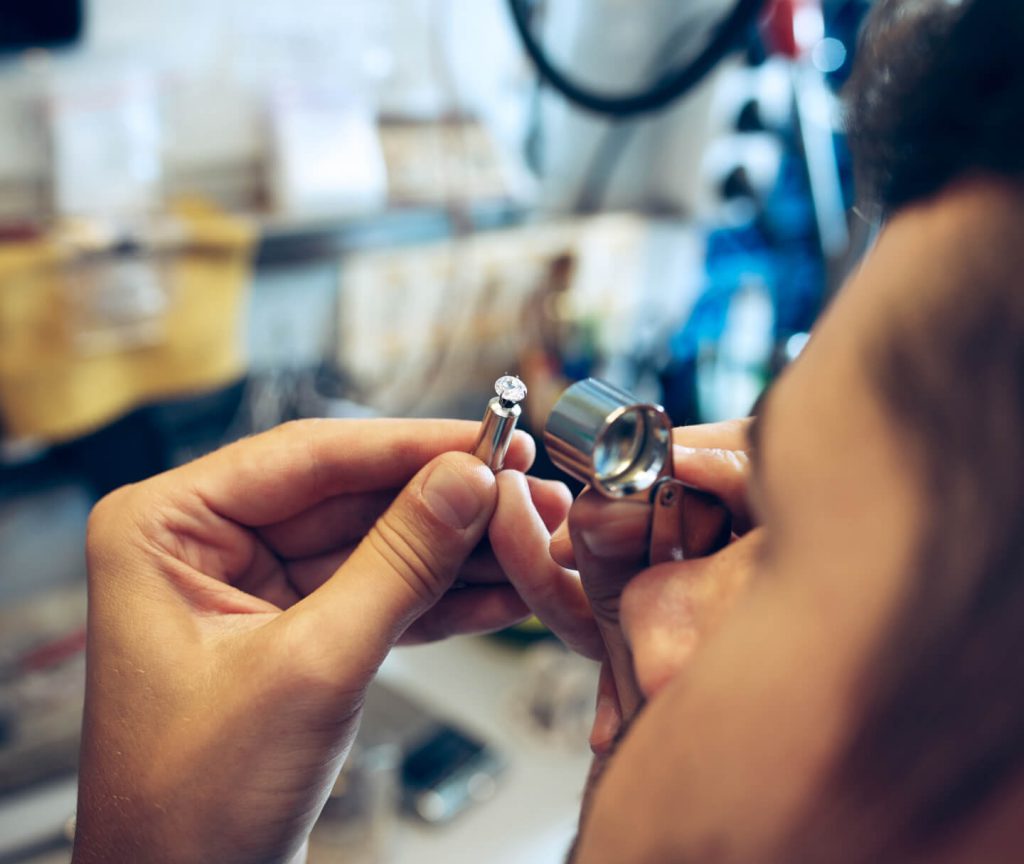
The stone is measured, examined under magnification and tested with the methods suited to it.
Results are explained clearly, including what the evidence supports and where it is inconclusive.
Our leadership is driven by a commitment to excellence, careful method and scientific advancement. Under the guidance of our Chief Executive Officer, the institute continues to build knowledge that serves researchers, the trade and everyone who values gemstones.

“The clarity of their reporting stood out. Every observation was explained, and where the evidence was inconclusive they said so plainly.”
Geologist
“Working with the institute deepened our understanding of coloured stone origin. Their reference work and attention to detail are excellent.”
Gemstone Consultant
“Their inclusion mapping gave us a far better picture of the rough before any cutting decisions were made.”
Lapidary & Cutter
“They helped us understand exactly what we had, from treatment history to quality. Professional, careful and easy to work with.”
Jewellery Brand Owner
“A thoughtful, methodical team. Their approach to spectroscopy and documentation makes them a valuable research partner.”
Research Scientist
We study the formation, structure and properties of natural gemstones, including diamond, ruby, sapphire, emerald and other coloured stones, using established gemological and spectroscopic methods.
Our work covers diamond and the major coloured stones, together with rarer species such as tanzanite and copper-bearing tourmaline. The Gemstones section describes each in more detail.
No. The examination methods we rely on are non-destructive, so stones are returned exactly as they were received.
Reach out through the contact page to discuss research partnerships, academic collaboration or a specific gemstone project.
Advancing the understanding of gemstones through science, precision and innovation, from their formation deep within the Earth to the finished stone.
© 2026 Ann Gems Gemstone Research Institute. All rights reserved.